
The Honest Learning Curve Inside Class 1 MELT In Cab Instruction
Professional Transport Driver Training School LTD • August 25, 2026
A common misconception among new students is that driving a commercial truck is just a scaled up version of driving a passenger car. This false confidence usually shatters the moment they sit behind the wheel of a tractor trailer for the very first time. Professional Transport Driver Training School believes in setting completely honest expectations for the Mandatory Entry Level Training program. Understanding the steep learning curve prepares you mentally for the intense physical and mental challenges of the road.
Students in Dauphin and our other locations often feel highly overwhelmed during their first few days of in cab instruction. The 40 hours of driving time are intense, mentally draining, and physically demanding on the body. We are transparent about this reality because true professionalism is built through overcoming these exact instructional struggles. Your ultimate success depends on embracing the difficult process of adult learning and trusting your certified instructors completely.
What to Expect:
- Setting Realistic Expectations for In Cab Progress
- The Clinical Truth About Observation Hours
- Overestimating Early Gear Shifting Ability
- Frequently Asked Questions
- Book Your MELT Program Today
Setting Realistic Expectations for In Cab Progress
The progression from a nervous novice to a competent Class 1 operator is never a straight line of constant improvement. During the first ten hours of in cab training, most students struggle simply to keep the vehicle centered in the highway lane. The sheer size of the equipment requires an entirely new understanding of spatial awareness, mirror usage, and turning radiuses.
→ A quick tip to remember: Expect to make mistakes frequently during your first week, as targeted error correction is the core of our instructional method.
By the midpoint of the training, the initial panic subsides and the mechanical motions begin to feel somewhat natural. However, this is usually when students hit a learning plateau and become frustrated with their lack of absolute perfection. Pushing through this phase requires patience and a willingness to accept clinical, constructive criticism from your instructor regarding your driving habits.
The Clinical Truth About Observation Hours
Many applicants view the up to 80 hours of observation time as a passive break from the hard work of driving. In reality, observation is an active, highly critical component of the cognitive learning process. Watching another student navigate dense traffic allows you to analyze their spatial decisions without the pressure of controlling the vehicle yourself.
This is something our students notice firsthand as they progress through the various course phases and tackle complex maneuvers. Working closely with dedicated instructors helps smooth out those initial struggles through shared observation.
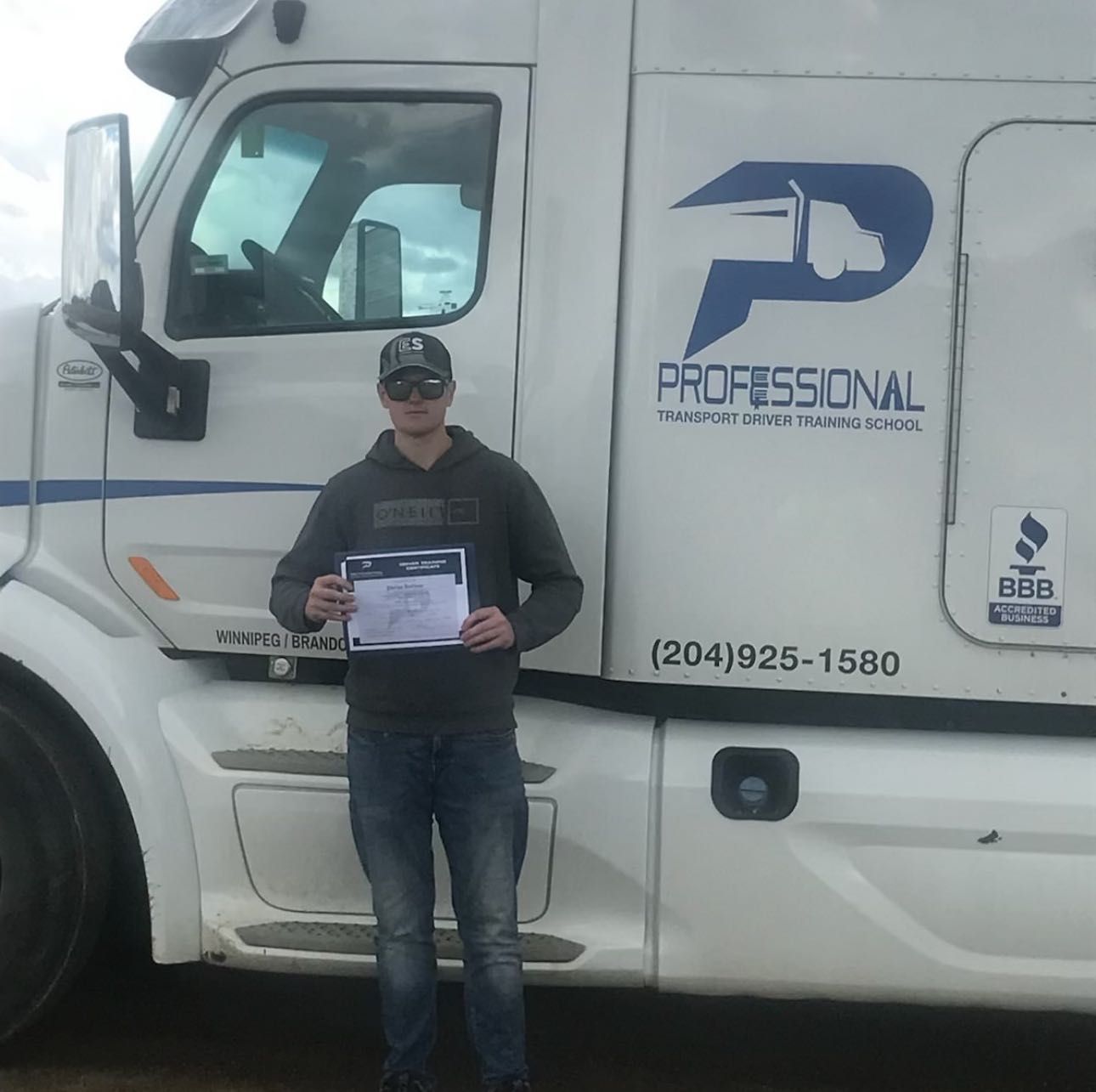
► Client Experience: I had an amazing experience at this school. During the two weeks in class, Dan was excellent at answering all my questions and making sure everything was clear. My in-truck instructor, Robert, was outstanding. He really went above and beyond to help me understand every part of the pre-trip inspections and driving the truck. I had a few struggles at first, but within just a few days, Robert took the time to work through everything with me. Thanks to the great instruction from both Dan and Robert, I passed my Phase 1 and Phase 2 on the first try. I highly recommend this school! - Chris Melo
Personalized attention ensures that early driving challenges are corrected before they become deeply ingrained muscle memory habits.
Overestimating Early Gear Shifting Ability
The most common underestimation we see involves mastering the heavy duty non synchronized transmission. Students often assume they will easily grasp double clutching and RPM matching within an hour of practice. The reality is that learning to shift a heavy truck smoothly takes days of grinding gears and missing shifts entirely.
→ From a professional standpoint: Do not let early frustration with the manual transmission ruin your confidence in your steering and observation skills.
The physical coordination required to shift while simultaneously monitoring mirrors, traffic, and road conditions is immense. Instructors dedicate a significant portion of the 40 hours to ensuring you can recover from a missed gear safely on an incline. Acceptance of this steep learning curve is absolutely mandatory for a successful road test outcome.
Frequently Asked Questions
What specific maneuvers are covered in MELT in cab training?
The training rigorously covers precise backing maneuvers, tight right hand turns, and complex urban intersection navigation. Students must also demonstrate safe highway merging and proper lane positioning under various heavy traffic conditions. The curriculum ensures you can handle the physical dimensions of the vehicle safely in tight urban and rural spaces alike.
How is progress tracked during the observation hours?
Instructors strictly monitor engagement and ask observing students to identify hazards and critique traffic situations in real time. You are expected to learn from the active driver's physical corrections and apply those lessons to your next session behind the wheel. Passive sitting or sleeping is not accepted as valid observation time under any circumstances.
What happens if you struggle with shifting gears?
If a student has prolonged difficulty with the transmission, instructors break the entire process down into smaller, stationary drills in the yard. We focus heavily on matching engine RPMs to road speed before introducing complex traffic environments to the student. Remedial repetition is utilized constantly until the necessary muscle memory is firmly established and reliable.
Book Your MELT Program Today
Preparing for the demanding realities of the MELT program guarantees you start your training with the exact right mindset. Organize your medical documentation early and secure your Class 1A learner permit as soon as possible. Contact us to reserve your spot in the next available training block and take the first honest step toward your new professional career.
Share This Blog